Speakers
Masamitu Aiba
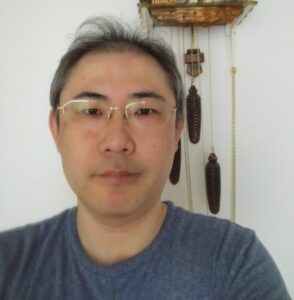
Masamitsu Aiba received his PhD from Tokyo University for his dissertation focused on nonlinear beam dynamics in FFA accelerator. He worked as postdoc at High Energy Accelerator Research Organization (KEK) and as assistant professor at Kyoto University Research Reactor Institute, continuing research on FFA. Later, he was entitled to a fellowship at European Organization for Nuclear Research (CERN) and contributed to the LHC commissioning. In summer 2009, he joined Paul Scherrer Institute, and since then he has worked on the design, commissioning and operation of SwissFEL and SLS2.0.
Eshraq Al-Dmour
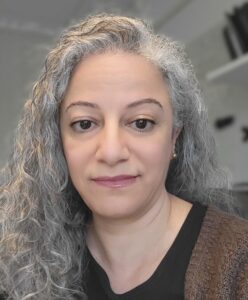
Eshraq Al-Dmour is the Deputy Director of the Accelerator Division at MAX IV Laboratory in Sweden. She holds an M.Sc. in Synchrotron Radiation and Particle Accelerators from the Autonomous University of Barcelona and brings over 20 years of expertise in accelerator technology, vacuum systems, and large-scale scientific infrastructure. At MAX IV, she leads the strategic upgrade of the storage ring and manages the accelerator program portfolio. Her previous leadership roles include Head of Engineering at MAX IV and Vacuum Section Head at ALBA-Barcelona, where she contributed to the design, commissioning, and optimization of complex accelerator systems. Eshraq actively engages in the global accelerator community, serving on advisory committees for major projects such as PETRA IV, Diamond II, and SOLEIL II.
Rob Apsimon

Rob Apsimon is a senior lecturer at Lancaster University, focusing on energy recovery linacs, beam dynamics and RF cavities. Rob obtained his PhD in 2012 for his work on the position and angle feedback correction system for the ILC, then went on to do a fellowship at CERN on beam transport lines for CLIC. Rob then moved to Lancaster in 2014 working on RF cavities and has since moved onto studies on ERLs, including leading studies on filling pattern analysis and BBU for PERLE and is exploring BBU and beam-beam interactions for the Ghost Collider.
Anna Balažic

Anna Balažic is a Junior Marketing Manager at Cosylab, currently completing her master’s degree in Marketing and Public Relations. She manages communications content development and execution, provides event management support, and oversees marketing operations through HubSpot. Anna began her journey at Cosylab as a student intern and gradually transitioned into full employment. She works closely with engineering teams across multiple technical domains—particle accelerators, fusion energy, quantum technologies, and radiation oncology—translating complex technical innovations into accessible narratives for both technical and commercial audiences. What Anna values most about Cosylab is the opportunity to bridge strategic marketing with cutting-edge engineering. Each project deepens her understanding of how precision control systems enable real-world breakthroughs, from advancing cancer treatment to supporting next-generation fusion reactors. In her words, the diversity of technical domains and the caliber of expertise within the organization create an exceptional environment for professional growth.
Maud Baylac
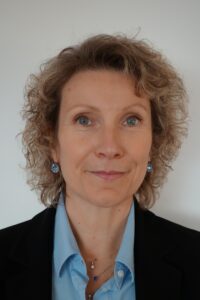
Maud BAYLAC obtained a PhD in 2000 for the first Compton-based polarization measurement of the CEBAF electron beam at Jefferson Laboratory. She then worked at Jefferson Laboratory (USA) on polarized photo-guns. In 2005, she joined CNRS at the Laboratory of Physics and Cosmology in Grenoble (France), as the head of the accelerators division until 2022. She worked on beam dynamics for the LINAC4 injector for LHC and in the field of accelerator-driven systems where she led the development of the accelerator for the GUINEVERE model, operated at the nuclear site of SCK-CEN in Belgium. She was the program manager for accelerators of CNRS/IN2P3. Since 2021, she joined the energy recovery linac project PERLE, where she is in charge of the photogun. She is the director of the French accelerator network SCIPAC and is a member of the coordination panel of the european project iSAS.
Giulia Bazzano
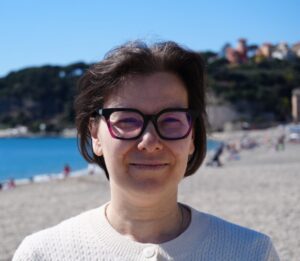
Giulia Bazzano is a researcher at ENEA Frascati Research Centre, in the Particle Accelerators Laboratory. She holds a degree in Physics from the University of Pavia and a Ph.D. in Industrial Engineering from Sapienza University of Rome. At ENEA, she contributed to the commissioning of the TOP-IMPLART proton linear accelerator. Her current work focuses on irradiation services for academic and industrial users in fields such as radiobiology, dosimetry, materials science, and space technology.
Judita Beinortaite

Judita Beinortaitė is a fellow at DESY, working on high-repetition-rate operation R&D of plasma-wakefield accelerators (PWFA) at FLASHForward. She obtained her Master of Physics degree at the University of Oxford in 2020, and PhD in Physics at University College London in 2024, where she investigated the high-repetition rate limiting phenomena such as long-term ion motion in beam driven plasma wakefield accelerators at FLASHForward. She continues to explore the microsecond-timescale plasma evolution, specifically in the context of MHz PWFA acceleration. Besides conducting research, she is dedicated to early career researcher representation, currently holding the positions of the Young High Energy Physicists Association (yHEP) representative of the German Accelerator Physics Committee, yHEP Members Board Co-Chair, and the European Committee for Future Accelerators Early-Career Researchers Panel (ECFA-ECR) representative of DESY.
Alexei Blednykh
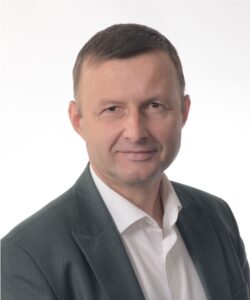
Alexei Blednykh defended his PhD thesis in the Technical University of Berlin, in Germany, in 2003. Since 2004, Alexei Blednykh is working at Brookhaven National Laboratory as the accelerator physicist. In 2005, Alexei Blednykh joined the NSLS-II project and have been with NSLS-II since the project inception. Alexei worked on NSLS-II design completion, which finalized in 2010 and in 2013-2014 was deeply involved into 200MeV LINAC, 3GeV Booster and 3GeV storage ring commissioning, from first turn to operation. Alexei continued to support NSLS-II operation and ramping up beam intensity until the average current goal of 500mA has been achieved in studies. In 2020, Alexei Blednykh, joined the EIC project at BNL as Deputy Division Head for Accelerator Physics and R&D and in 2022 took a lead as the Pre-Operations system manager, leading commissioning planning and providing technical leadership in accelerator physics, with a focus on impedance, collective effects, and beam-intensity effects.
Stephen Brooks
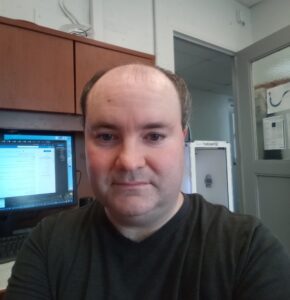
Stephen Brooks is an accelerator physicist at Brookhaven National Laboratory, specialising in R&D for emerging accelerator technologies. His research topics include: fixed-field accelerators (FFAs), permanent magnets, and crystalline beams. A common theme in these activities is computer optimisation of designs. Stephen worked at Rutherford Appleton Laboratory in the UK until 2013, with a doctorate thesis on pion capture for the neutrino factory. In 2018, he organised the construction of over 200 permanent magnets for the CBETA 4-turn energy recovery linac (ERL) at Cornell University.
John Byrd
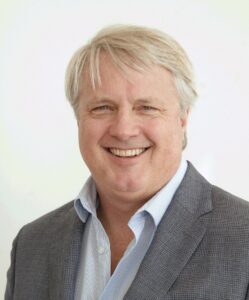
John Byrd is the Director of the US Particle Accelerator School. Prior to that, he served as Director of the Accelerator Systems Division at the Advanced Photon Source and Director of the Argonne Accelerator Institute. Prior to coming to Argonne in 2017, he spent 26 years at Berkeley Lab. John received his doctorate in accelerator physics from Cornell University in 1991. He is a Fellow of the American Physical Society.
Rama Calaga

Dr. Rama Calaga received his PhD in Accelerator Physics from Stony Brook University, New York in 2006. He started working on superconducting RF cavities for energy recovery linacsin 2003, and since 2006 on the use of superconducting crab cavities for the LHC luminosity upgrade. He is the work package leader of the crab cavity project at CERN which is expected to become operational for first proton collisions in 2030.
Joseph Calvey
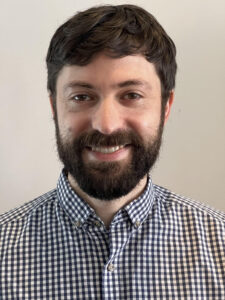
Joseph Calvey is an accelerator physicist at the Advanced Photon Source at Argonne National Lab. He received PhD from Cornell University in 2013, focused on electron cloud effects for the International Linear Collider positron damping ring. He then did a postdoc studying beam impedance effects at CESR. Since 2015, he has worked on APS Upgrade project at Argonne. His current work is focused on two main topics: studying ion instability in the context of next-generation electron storage rings, and upgrading the APS injector chain to meet the requirements for APS-U. He is presently leading the effort to increase the maximum single bunch charge delivered by the injectors, which is required for swap-out injection in timing mode.
Enrico Cennini
Enrico Cennini has 30 years of risk management experience at CERN, with an early focus on high-security and high-reliability systems. He was Project Leader for the design of the LHC Access Control and Access Safety Systems. Over the past decade, he has transitioned to environmental and sustainability engineering, serving as Head of the Safety Engineering and Environment Groups and leading the first two CERN Environment Reports under the Global Reporting Initiative (GRI) Standard. In the past five years, he has led CERN’s Environmentally Responsible Procurement Policy Project, which evolved into the CERN Sustainable Procurement Project in 2026, promoting responsible procurement practices within CERN and across Big Science organizations
Iryna Chaikovska
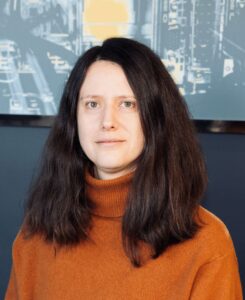
Iryna Chaikovska is a physicist at IJCLab/CNRS in Orsay, France. Her work focuses on high-intensity positron sources and accelerator-based Compton X-ray facilities. She received her PhD in 2012 from Université Paris-Sud XI (now Université Paris-Saclay), with a thesis on polarized positron sources for future linear colliders. Since then, she has been heavily involved in the design, simulation and optimisation of positron sources for both existing and future collider projects, and since 2015 she has led the positron source activities at IJCLab. Iryna has been working on the ThomX compact Compton X-ray source since 2014. She is particularly involved in storage ring beam dynamics, beam diagnostics and high-level application tools for ThomX commissioning and operation, with the goal of improving the stability and performance of the produced X-rays.
Laurent Chapon
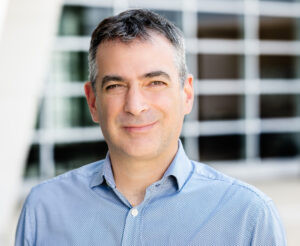
Laurent Chapon is the Associate Laboratory Director for Photon Sciences at Argonne National Laboratory, where he oversees the Advanced Photon Source (APS), a U.S. Department of Energy Office of Science user facility, and the APS Upgrade (APS-U) project. Under his leadership, the APS has been transformed to produce X-ray beams up to 500 times brighter, enabling groundbreaking scientific discoveries across diverse fields. Before joining Argonne, Chapon held leadership roles at Diamond Light Source in the UK and the Institut Laue-Langevin in France, contributing to advancements in crystallography, magnetic scattering, and materials science. He earned his Ph.D. in Materials Science from Université Montpellier-II, France, and has coauthored over 140 scientific publications.
Ting-Yi Chung
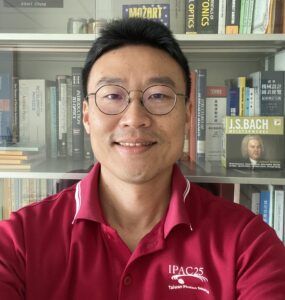
Dr. Ting-Yi Chung received his Ph.D. in Electrophysics from National Chiao Tung University, Hsinchu, Taiwan, in 2009. He subsequently joined Delta Electronics, where he worked on projects involving motors and miniature magnets. In 2011, he joined the Magnet Group at NSRRC, where he has been primarily responsible for the construction of a total of six beamline light source projects for the Taiwan Photon Source (TPS), spanning from Phase II to Phase III. He is a national laboratory staff member with over 10 years of experience in constructing insertion devices and magnets for the TPS. His career focuses on applying magnet technologies to advance light sources and drive discoveries in the physical sciences. He believes that the light of truth will guide the path ahead.
Mary Convery
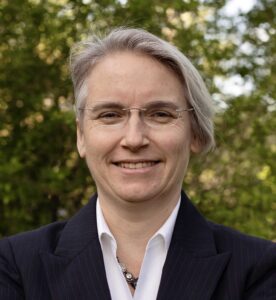
Mary Convery is the director of the Beams Division at Fermilab, focusing on operations planning and performance of the accelerator complex. She is also the deputy project director for facilities for the LBNF/DUNE-US project. In this role she oversees the design and construction of the conventional facilities and beamline at Fermilab. She has a PhD in high-energy physics from Case Western Reserve University.
Brigitte Cros
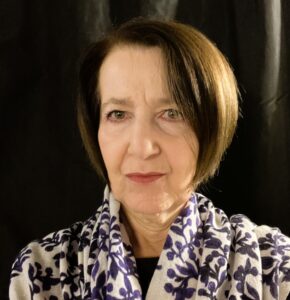
Brigitte Cros is a CNRS research director based at the Laboratoire de Physique des Gaz et des Plasmas in Orsay (France). She is a plasma physicist with a PhD in Physics from Université Paris Sud 11 (now Université Paris Saclay), specialized in plasma wakefield acceleration. She has pioneered laser driven wakefield demonstration in capillary waveguides, and is currently involved in the optimization of electron sources driven by laser in plasma cells for use in multi-stage schemes. She contributes to the EuPRAXIA project, aiming to build a plasma-based accelerator facility. She is a member of the ICFA Advanced and Novel Accelerator panel promoting the development of high energy accelerator studies such as ALEGRO and more recently the 10 TeV Design study initiative.
Andrea Denker
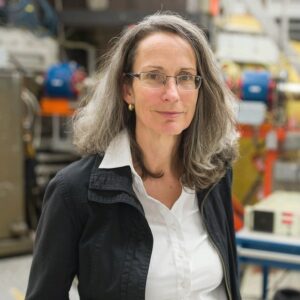
Andrea Denker received her PhD 1994 from the University of Stuttgart for her work in nuclear astrophysics. As a Postdoc she worked at the CSNSM in Orsay. 1995 she moved to the Hahn-Meitner-Institut, now Helmholtz-Zentrum Berlin für Materialien und Energie (HZB), where she was in charge of development of new cyclotron beams and ion sources. 2000 she became head of the user service at the accelerator complex. Since 2006 she is department head of the department Proton Therapy, providing the proton beam for the ocular proton therapy program of the Charité – Universitätsmedizin Berlin. Within this program over 5000 patients with rare intra-ocular tumours were successfully treated during the last 27 years. In 2018 she became professor at the Berliner Hochschule für Technik for the topic “accelerator physics for medicine”. Her research interests are the improvement of particle therapy by new forms of beam delivery (e.g. FLASH, Mini beams), dosimetry, and new accelerators for particle therapy.
Yu-Hui Dong
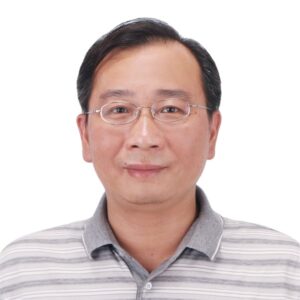
Prof. DONG Yu-Hui is the Deputy Director of Institute of High Energy Physics, Chinese Academy of Sciences. Now he is in charge of the construction of beamlines and end-stations of High Energy Photon Source (HEPS), as Executive Deputy Manager of the project. His research activities focus on the methodological research in diffraction and imaging, and the optical and data analysis methods of synchrotron radiation. He obtained Ph.D. in Physics in Beijing Synchrotron Radiation Facility, Institute of High Energy Physics, Chinese Academy of Sciences, in 1995. During 1995-2000, he was Post-doctoral Research Associate at Institute of Physics, Chinese Academy of Sciences, China and University of Trento, Italy. In 2001 he became Professor of condensed matter physics in Institute of High Energy Physics. Professor DONG has authored/co-authored: 3 chapters in books written by teams; about 200 scientific papers in Nature, Nature Communication, Npj computational materials, Optics Express, Physical Review B, etc.
Auralee Edelen
Dr. Auralee Edelen leads the Machine Learning Department in the Accelerator Research Division at SLAC National Accelerator Laboratory. There, she and her team work on AI/ML solutions for online system modeling, advanced optimization and control, and beam diagnostics for accelerators. Auralee was an early pioneer in AI/ML for particle accelerators, and she started working in this area in 2012 as a graduate student at Colorado State University. For her graduate work, she conducted a series of proof-of-principle studies in the use of neural networks for system modeling and control, including simulation-based and experimental demonstrations with collaborators at Fermilab and Jefferson Lab. Throughout her career Auralee has been an advocate for open source, shared software tool development. She also has been heavily involved in the international Machine Learning Applications for Particle Accelerators (MaLAPA) workshop series since its inception in 2018, and she co-teaches the U.S. Particle Accelerator School course on “Optimization and Machine Learning for Particle Accelerators.”
Michael Ehrlichman
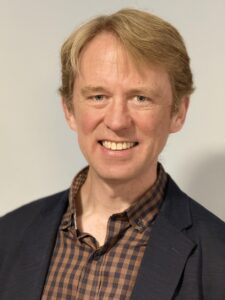
Michael Ehrlichman received his PhD from Cornell University for his dissertation on Intrabeam Scattering experiments in the Cornell Electron Storage Ring and Touschek Scattering studies for the Energy Recovery Linac. He completed his postdoc at the Paul Scherrer Institute optimizing nonlinear optics for early prototypes of the Swiss Light Source 2.0 upgrade. Later at Lawrence Berkeley National Laboratory he developed a new injection scheme for the ALS-U Accumulator Ring. Michael is currently at SLAC National Accelerator Laboratory in the Accelerator Research Division where he develops the modeling ecosystem for the Linac Coherent Light Source and works on forward-looking concepts for the next generation of particle accelerators.
Robin Ferdinand
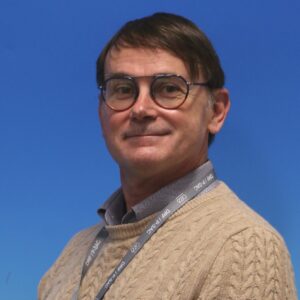
Robin Ferdinand began his career in 1991 as a young physicist at the Laboratoire National Saturne in Saclay, France, a 3 GeV synchrotron. He then contributed to several international high-power accelerator projects, such as IPHI, IFMIF, ESS, and CONCERT. In 2005, he joined the GANIL laboratory in Normandy to participate in the SPIRAL2 project. He was coordinator of the superconducting linac from 2007 to 2012 during its construction phase, then responsible for commissioning before becoming the final project leader until SPIRAL2 went into operation in early 2022. He then became project manager for a compact neutron source in Saclay. He is now back at GANIL, where he continues his work in the field of accelerators.
Alex Fomin
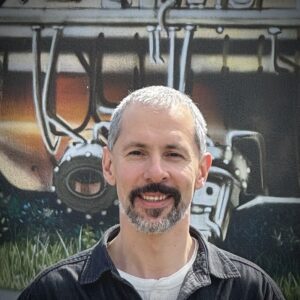
Alex Fomin received his PhD in 2017 from Université Paris-Saclay, with a thesis on the scattering and radiation of fast charged particles in crystals. During his PhD, he carried out feasibility studies and developed proposals for fixed-target experiments at the LHC using bent crystals. He then joined CERN’s collimation group, where he further developed these studies, focusing on their impact on machine performance and on other experiments. Over the past four years, he has been involved in the PERLE project, working on beam dynamics studies, and is currently responsible for the lattice design of the machine.
Giuliano Franchetti
Giuliano Franchetti earned his PhD from the University of Bologna. He is currently a scientific staff member at GSI Helmholtz Centre for Heavy Ion Research and also serves as an adjunct professor at Goethe University Frankfurt. His research focuses on high-intensity beam dynamics, space charge effects, and nonlinear dynamics, particularly in the context of the GSI upgrade. He has extensively investigated beam intensity limitations through theoretical analysis, simulations, and experimental studies. Franchetti has been actively involved in major European networks for accelerator development and roadmap initiatives over the past decades. He is a Fellow of the American Physical Society (APS).
Sarah Geffroy
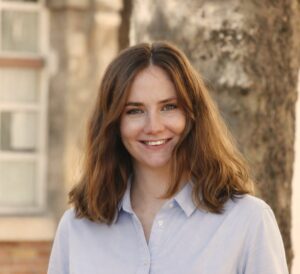
Sarah Geffroy is a PhD student in accelerator physics at Université Paris-Saclay, working at IJCLab/CNRS in Orsay. She is involved in the GBAR experiment at CERN. She holds a Master’s degree in accelerator physics (GI-PLATO track) from Université Paris-Saclay and a Master’s degree in Nuclear Engineering from Arts et Métiers ParisTech. Her work focuses on low-energy beam transport, electrostatic element optimization, and emittance measurements. She combines experimental measurements with simulation tools to study beam deceleration and collective effects.
Francesco Grespan
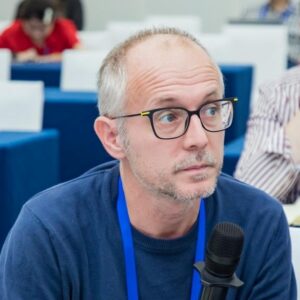
Francesco Grespan did his PhD in accelerator physics at CERN, on the Drift Tube Linac of the Linac 4 project. After PhD he has been hired as accelerator physicist at INFN Legnaro National Labs, working in the design, installation and commissioning of the CW RFQ of IFMIF-EVEDA, installed by INFN in Rokkasho (Japan). Since 2015 he took the technical responsibility of the design and construction of the Drif Tube Linac, done by INFN as in-kind contribution to the ESS project in Lund. From 2020 to 2023 Francesco has been seconded to ESS as Work Package Manager of the Normal Conducting Linac, in the phase of installation testing and commissioning. Since 2023 he works as technical coordinator of the ANTHEM-BNCT project in Italy and in the development of the INFN contribution to the DONES Project in Granada. Francesco is one of the Run Coordinators of the Piave-ALPI accelerator complex of Legnaro Labs.
Sophie Gresty
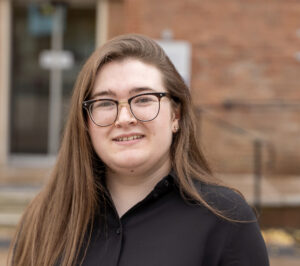
Sophie Gresty is a PhD student in accelerator physics at the University of Liverpool, where they received an MPhys in Physics with first-class honours in 2024. Their research focuses on the application of machine learning to magnet design for particle accelerators, with particular emphasis on surrogate modelling to reduce the computational time required in the design process. During their undergraduate studies, they undertook an internship at CERN, contributing to magnet design studies for the Large Hadron Electron Collider (LHeC). Their current work focuses on relating multipole field components to magnet pole tip geometry, with the aim of linking magnet design directly to beam dynamics and reducing the need for iterative optimisation. They were awarded an Institute of Physics Student Community Contribution Award in recognition of their contributions to student engagement and outreach.
Ping He
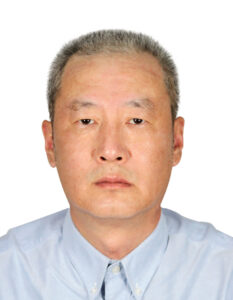
Dr. He received his Ph.D degree in 2004 at UCLA. Since 1985, He has been working at IHEP(China), CERN(Swissland), CEA/SACLAY(France), BNL(USA), he involved in BEPC(Beijing Electron Positron Collider) storage ring construction and commissioning, LHC(Large Hadron Collider at CERN) superconducting magnetic design and field measurement, ATLAS(LHC’s detector) Barrel Toroid magnetic field and force simulations, SNS(Spallation Neutron Source at ORNL ) TiN coating on the SNS accumulation ring vacuum chamber, RHIC(Relativistic Heavy Ion Collider at BNL) vacuum system upgrade, electron cloud simulation and pressure rise beam experiments, NSLS-II(National Synchrotron Light Source II at BNL) storage ring main dipole magnetic field measurement and insertion device synchrotron radiation(SR) performance simulations. Now he is leading on the HEPS(High Energy Photon Source at IHEP) storage ring construction and commissioning.
Thorsten Hellert
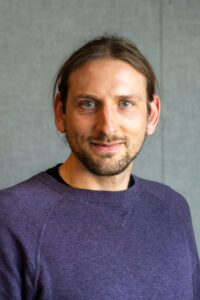
Thorsten Hellert is a Staff Scientist in the Accelerator Physics Group at the Advanced Light Source (ALS), Lawrence Berkeley National Laboratory. He received his Ph.D. in Physics from DESY and the University of Hamburg in 2017. He previously held research positions at DESY, where he contributed to the PETRA-IV storage ring design, and at LBNL, where he worked on the ALS-U upgrade project. He is the developer of the Toolkit for Simulated Commissioning (SC), which is widely used across synchrotron light source facilities for lattice commissioning simulations. His recent work focuses on agentic AI for autonomous accelerator operations, including multi-stage physics experiments and natural-language interfaces for facility control systems.
Morgan Hibberd
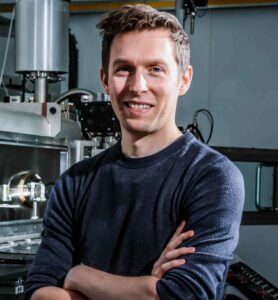
Morgan Hibberd is an Ernest Rutherford Fellow at the University of Manchester, where his research is focused on the development of advanced terahertz (THz)-based techniques for compact particle accelerators. He obtained his Master’s degree and PhD in Physics all at the University of Manchester and continues to work as part of the Terahertz Acceleration Group at the Cockcroft Institute of Accelerator Science. His work involves the use of intense laser-generated THz pulses to drive high-gradient control of electron beams for ultrashort bunch compression, synchronization and longitudinal diagnostics at the femtosecond scale. He is part of the Advanced Wakefield (AWAKE) collaboration at CERN and is currently developing new projects exploring THz-assisted photoemission for brighter electron sources. He is also passionate about outreach and having designed the “Acceler8Escape” project is part of a new Horizon-funded consortium of institutes across Europe exploiting interactive puzzle-based escape rooms to engage the wider community with physics.
Adrian Hillier
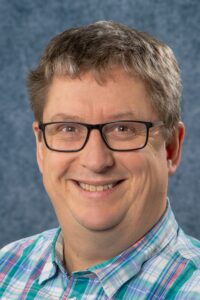
Adrian Hiller is the muon group leader at the ISIS Neutron and Muon Facility, STFC Rutherford Appleton Laboratory, UK, with ~250 publications. In the early part of his career, his research was focused on magnetism and superconductivity. Recently, he initiated and leads the development of the technique using negative muons for elemental analysis. This development has been utilised by a wide scientific community, from energy materials to advanced engineering to cultural heritage. Non-destructive depth-dependent elemental analysis, along with the sensitivity for all elements, is unique and increases our understanding of these materials.
Wenxiang Hu
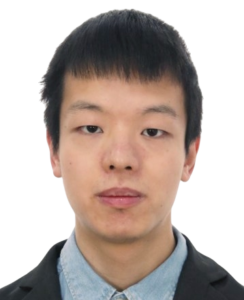
Wenxiang Hu received his bachelor’s degree at Peking university in China and his master’s degree at ETH Zurich in Switzerland. Since 2023, he has been a PhD student working in Center for Photon Science at Paul Scherrer Institute, and at ETH Zurich. His current research interest involves techniques to bring up the temporal coherence of X-ray Free Electron Lasers.
Mingyang Huang
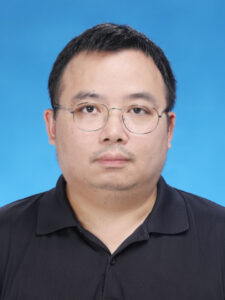
Dr. Mingyang Huang is a professor at the Institute of High Energy Physics (IHEP), Chinese Academy of Sciences, with a research focus on accelerator physics. Since joining the IHEP in 2010, he has been working on the beam dynamics, injection and extraction technologies, beam commissioning, and laser stripping. He is currently the leader of circular accelerator physics at the China Spallation Neutron Source.
Naoko Iida
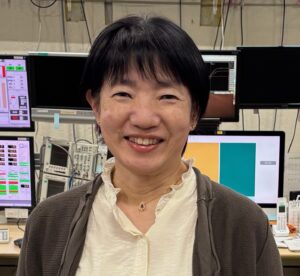
Dr. Naoko Iida is an accelerator physicist at SuperKEKB in KEK. She primarily studies injector and injection into ring accelerators. She obtained her Ph.D. from Nara Women’s University with a degree in TRISTAN/TOPAZ. After that, she worked on the construction of the injection and beam extraction system for the KEKB, and was mainly responsible for injection of the beam commissioning. In the subsequent SuperKEKB, she was in charge of the optics design and construction of the injection and extraction lines for the new positron damping ring, as well as the optical design of the extraction systems for SuperKEKB. Now she mainly investigating the emittance growths of the injection beams and improvement of the injection.
Eito Iwai
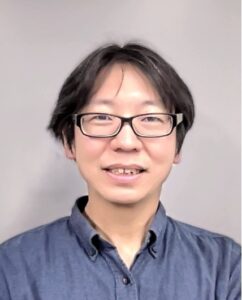
Eito Iwai is a Principal Researcher in the Accelerator Division at the Japan Synchrotron Radiation Research Institute (JASRI), the host institute for the SPring-8 synchrotron radiation facility. He received his Ph.D. in Science from Osaka University in 2012, where he worked on the Kaon rare decay experiment, KOTO. Dr. Iwai began his career focusing on Particle Experimental Physics, working as a researcher on Neutrino physics at the High Energy Accelerator Research Organization (KEK) from 2013 to 2016, followed by a Research Fellowship at the University of Michigan in the United States. Since 2018, he has shifted his expertise to Accelerator Physics, joining the RIKEN SPring-8 Center, and later assuming his current role at JASRI in 2022. His current research concentrates on advanced RF systems and the application of Machine Learning techniques for accelerator control and diagnostics, contributing to the development and operation of high-performance light sources. His contributions have been recognized with the 20th Particle Accelerator Society of Japan (PASJ) Award for Technical Contribution.
Susana Izquierdo Bermudez
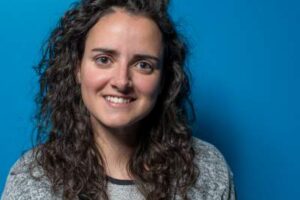
Susana Izquierdo Bermudez is currently a staff scientist at the European Organization for Nuclear Research (CERN) in Geneva. She is responsible for the Large Magnet Facility (LMF) and leads the worldwide collaboration responsible for building the interaction region magnets for the HL-LHC, scheduled for installation in 2029. Susana received a B.Sc. degree in Mechanical and Energy Engineering from Carlos III University of Madrid and a PhD from the Technical University of Madrid. She joined the CERN Magnet Group in 2011, contributing to the preparation activities for the First Long Shutdown of the Large Hadron Collider (LHC). In 2012, she moved to the Magnet Design and Technology Section, focusing on the development of high-field Nb₃Sn accelerator magnets for next-generation particle accelerators. Since 2020, she has been responsible for the Nb₃Sn inner triplet quadrupole magnets for the High-Luminosity Large Hadron Collider (HL-LHC), a key system for achieving the targeted increase in luminosity. Her work has contributed to the development Nb₃Sn superconducting magnet technology for accelerator applications. She is co-author of more than 100 publications in the field and is an Associate Editor for IEEE Transactions on Applied Superconductivity. She is also a member of the program committees of major international conferences on applied superconductivity, including EUCAS and ASC.
Helena Jaworska
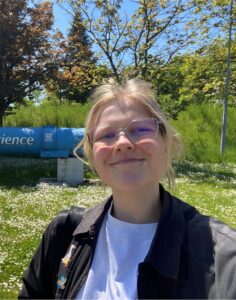
Helena Jaworska is a Master’s student and a research assistant at Heinrich Heine University Düsseldorf, working on simulations of proton-driven plasma wakefield acceleration. She has completed a technical internship in applied physics at the Advanced Proton Driven Plasma Wakefield Acceleration Experiment (AWAKE) at CERN, working on plasma light diagnostics of wakefield amplitude, and studying wakefield dephasing.
Fuhao Ji
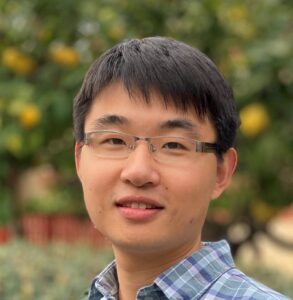
Dr. Fuhao Ji is a staff scientist at SLAC national laboratory. Dr. Ji leads the AI/ML program at SLAC MeV-UED. His research focuses on developments of intelligent electron source and detectors, agentic AI, as well as applications of active learning algorithms for intelligent scientific user facilities (iSUF) to enable autonomous, closed-loop discoveries in ultrafast science. Dr. Ji earned his PhD from Fudan University, Shanghai, China, in 2016. He was a postdoctoral researcher at Lawerence Berkeley National Laboratory, where he worked on ultrafast electron nano-probes and low emittance beam diagnostics at the HiRES beamline. He moved to SLAC in 2019, and since then, he has been working at the MeV-UED facility.
Mark Johnson
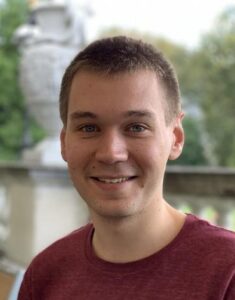
Mark Johnson is a senior accelerator physicist at STFC Daresbury Laboratory. He received his PhD from Manchester University in 2019, for his work on precision measurements of antihydrogen with the ALPHA Collaboration at CERN. He continued this work as a postdoctoral researcher, spending a total of three years at CERN and contributing to the first measurement of antimatter’s gravitational acceleration. In 2022, Mark joined the Accelerator Physics group at Daresbury, where he currently works on CLARA, the Compact Linear Accelerator for Research Applications. He is particularly involved in commissioning of the accelerator, along with beam dynamics modelling and measurements of the beam optics. Since joining STFC, Mark has also worked on accelerators for medical applications, including the proposed UK Ion Therapy Research Facility (ITRF).
Paul-Bogdan Jurj
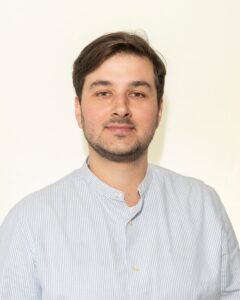
Paul-Bogdan Jurj obtained his PhD in Particle Physics from Imperial College London in 2022, where he studied ionization cooling as part of the Muon Ionization Cooling Experiment (MICE), leading the analysis that demonstrated transverse emittance reduction in muon beams. He is currently a Postdoctoral Research Associate at Imperial College London, working on beam dynamics and lattice design for future muon-beam facilities. His work focuses on R&D for the Muon Collider, including muon source design (target and capture systems), muon transport beamlines, and ionization cooling lattice design.
Omar Kamalou
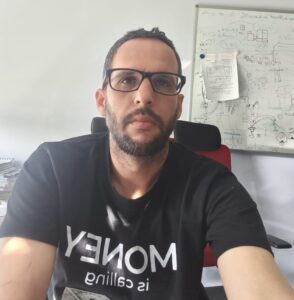
Omar Kamalou holds a Ph.D. in atomic physics from the University of Caen and is a physicist at GANIL (Grand Accélérateur National d’Ions Lourds). With over 15 years of experience, his work focuses on accelerator physics, exotic beam production, and large-scale scientific instrumentation. He plays a key role in cyclotron operations and contributes to the development and delivery of stable and radioactive ion beams. His expertise covers beamline design, data acquisition systems, and the coordination of technical teams for complex upgrades and high-performance operation. He has been actively involved in major international projects, including the SPIRAL1 upgrade and the SPIRAL2 linear accelerator. Prior to this, he was a postdoctoral researcher at Stockholm University, where he worked on high-precision mass measurements of highly charged ions using Penning trap techniques. He has co-authored numerous publications in leading international journals and has taught accelerator physics and related technologies at the graduate level in France.
Seongyeol Kim
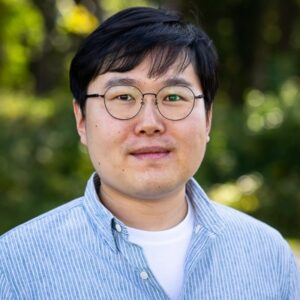
Seongyeol Kim earned a PhD in Physics from the Ulsan National Institute of Science and Technology (UNIST) in August 2021, with a thesis on electron beam manipulation for the beam-driven plasma wakefield accelerators. Then, he joined the Argonne Wakefield Accelerator Group (AWA) at Argonne National Laboratory as a postdoc. His work focused on the control and manipulation of electron beam phase spaces for high-gradient, high-efficiency advanced accelerators. In addition, he participated in several collaborative projects such as AI/ML-based phase space reconstruction with SLAC, bunch shaping using a multi-leaf collimator and emittance exchange beamline with UCLA, and X-band transverse deflecting cavity-based longitudinal bunch shaping with Euclid Techlabs. Since September 2023, he has been working as a staff scientist at the Pohang Accelerator Laboratory X-ray Free Electron Laser (PAL-XFEL) facility. His current work involves studying the electron beam dynamics for high-brightness XFEL and operating the machine for user services. His research interests include novel beam diagnostics and optimization of the beam and FEL using artificial-intelligence, machine-learning (AI/ML) techniques.
Masao Kuriki
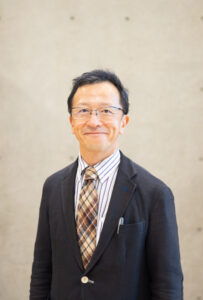
Prof. Masao Kuriki received his Ph.D. in Physics from Tohoku University in 1996, with a dissertation on spin-dependent nucleon structure functions in the deuteron. He began his career as a postdoctoral researcher at the Institute for Nuclear Study, University of Tokyo, where he worked on rare decay searches of charged kaons. He then joined the High Energy Accelerator Research Organization (KEK), contributing to accelerator R&D for the International Linear Collider (ILC). Since 2007, he has been a Professor at Hiroshima University, where his research focuses on accelerator science, particularly the development of the ILC accelerator and applications of electron accelerators. He served as President of the Japan Society of Accelerator Science from 2022 to 2026 and currently serves as a Board Member of the society.
Bettina Kuske
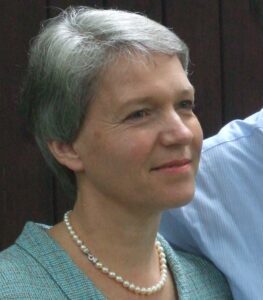
Bettina Kuske has been working in accelerator physics at HZB, formerly BESSY, since 1986. She contributed to the TBA lattice design of BESSY II, the BESSY Soft x-ray FEL, to bERLinPro, the energy recovery linac test facility at HZB and significantly influenced the deterministic design approach for BESSY III. After 38 years, starting with the first European PAC 1988, this is her last conference of the IPAC series.
Yongjun Li
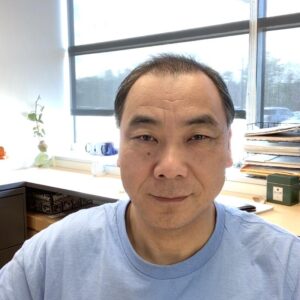
Dr. Yongjun Li is an accelerator physicist at National Synchrotron Light Source II, Brookhaven National Laboratory, where he specializes in single particle beam dynamics. He received his PhD from the University of Science and Technology (China) in 2000 and conducted research at DESY and then joined Brookhaven since 2008. His works mainly focus on the lattice design for ring-based synchrotron light sources.
Aaron Rafael Liberman
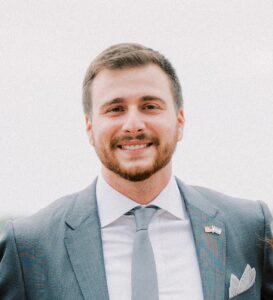
Aaron Liberman is pursuing his PhD in laser-wakefield acceleration under the supervision of Prof. Victor Malka at the Weizmann Institute of Science. His research focuses on manipulating a laser’s spacetime structure to overcome the dephasing limit and achieve higher electron energies. Aaron’s research has featured in several peer-reviewed journals, has been solicited at leading conferences, and has been presented at invited seminar talks. His IMPALA spatio-spectral laser diagnostic was named one of the optics breakthroughs of 2024 by Optics and Photonics News. Aaron received a 2025 SPIE Optics and Photonics Scholarship, the Best Student Paper Award at the 2025 SPIE Optics and Optoelectronics Conference, and the Weizmann AMOS Best Talk Award. Prior to Weizmann, Aaron earned his BA in Physics and Mathematics, magna cum laude, from Columbia University, where he was inducted into the Phi Beta Kappa honor society and received Columbia’s Leadership and Excellence Award among other awards and fellowship.
Sean Littleton

Sean Littleton is a Ph.D. candidate studying accelerator physics at Stanford University. His dissertation research at SLAC is primarily focused on dark current in the LCLS-II superconducting linac – characterizing field emission sites in the CW RF electron gun, investigating various mitigation strategies, and modeling its behavior throughout the linac. Although these “wild electron beams” tend to wreak havoc in accelerators if left unchecked, the few electrons that do make it through the linac can be utilized for other purposes if their behavior is well-understood. To this end, Sean also contributes to the Linac-to-End Station A (LESA) project, modeling the transport of dark current through the LESA beamline to enable its use in the search for dark matter in the Light Dark Matter eXperiment (LDMX). In his spare time, Sean enjoys doing independent experiments in power electronics, high voltage pulsed power, plasma physics, and artistic applications of electromagnetism.
Bo Liu
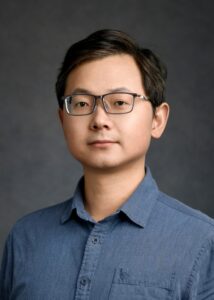
Dr. Bo Liu is Deputy Director of the SSRF Science Center at the Shanghai Advanced Research Institute (SARI), Chinese Academy of Sciences. Following his PhD from the Institute of High Energy Physics (IHEP) in 2005, he has dedicated his career to accelerator physics and technology, with a particular focus on free-electron lasers. He has contributed to the construction of multiple major accelerator facilities, including the Shanghai Synchrotron Radiation Facility (SSRF), Dalian Coherent Light Source (DCLS), Shanghai Soft X-ray Free-Electron Laser (SXFEL), and Shanghai Hard X-ray Free-Electron Laser (SHINE). Currently, he serves as Deputy Manager of the SHINE project and Head of the Accelerator Division, leading the accelerator construction effort.
Frank Ludwig
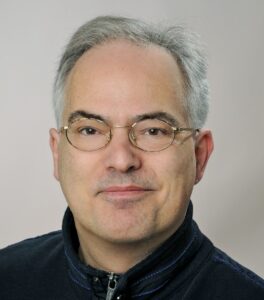
Frank Ludwig holds a PhD in physics from the University of Hamburg, Germany for the nonlinear dynamics and far-infrared broadband spectroscopy of high-temperature superconductor Josephson junctions for the TESLA Test Facility Linac at DESY in 2003. He held a post-doctoral position in the linear accelerator research group at DESY under Prof. P .Schmüser for the development of multi-channel cavity field detectors and beam diagnostics with sub-10fs resolution. At MIT Optics and Quantum Electronics group under the direction of Prof. F. X. Kärtner he contributed to the laser to rf-conversion using the Sagnac interferometer method. Since 2006 as a scientific research member in the Machine Controls Group (MSK) at DESY he developed the key systems for a short and long-term stable machine operation at FLASH and XFEL on the fs-scale, especially for the Low-Level-Radio-Frequency (LLRF) system, high frequency distribution system and optical synchronization system, continuously. From 2010 as a deputy of the MSK group at DESY headed by Dr. H. Schlarb, he made the LLRF system with less than 10fs resolution based on the MicroTCA.4 standard available for the entire accelerator community.
Agostino Marinelli
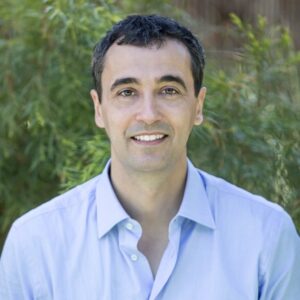
Agostino Marinelli is an assistant professor of Photon Science and Particle Physics and Astrophysics at Stanford University and the SLAC National Accelerator Laboratory. He received his PhD in physics from the University of California, Los Angeles in 2012 and has been at SLAC ever since. Prof. Marinelli leads the X-ray free-electron laser R&D program at the Linac Coherent Light Source. His research interests lie in the physics of x-ray free-electron lasers and their application to ultrafast science. He is a fellow of the American Physical society and the recipient of the Kai Siegbahn prize and the IEEE Particle Accelerato Sciece and Technology Award.
Rachel Margraf-O'Neal
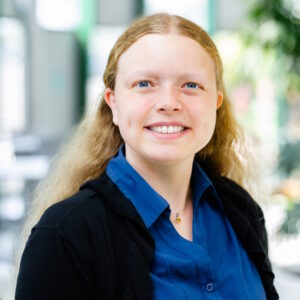
Rachel Margraf-O’Neal obtained her PhD in 2024 from Stanford University, working on optical cavity-based X-ray Free-Electron Lasers (CBXFELs) at SLAC National Accelerator Laboratory. She is currently a postdoctoral scholar in the Argonne Wakefield Accelerator (AWA) facility at Argonne National Laboratory. Her current work focuses on technologies to support compact high-gradient structure wakefield accelerators.
Elias Metral
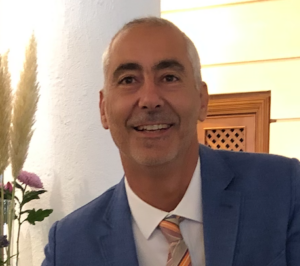
Dr. Elias Métral is a senior accelerator physicist in the Accelerator and Beam Physics group at CERN, where he has worked for three decades. He graduated as a physicist engineer from the École Nationale Supérieure de Physique de Grenoble (France) and earned his PhD from Université Joseph Fourier (Grenoble). He served as coordinator for the CERN PS, SPS, LHC Injectors machine studies, and LHC. From 2010 to 2020, he led the section on collective effects and beam instabilities, overseeing a team of 20 to 30 researchers, including during the discovery of the Higgs boson in 2012. He was responsible for collective effects in the High-Luminosity LHC project from 2011 to 2023 and has led related studies for the International Muon Collider Collaboration since 2021. He has been a member of the ICFA Beam Dynamics Panel since 2011 and its Deputy Chair since 2019. He has chaired several international workshops and CERN task forces and is the author of more than 430 publications. In 2024, he was named an Outstanding Referee by the American Physical Society. A former student of the Joint Universities Accelerator School (JUAS), he later served as assistant lecturer, then as lecturer and Deputy Director, before being appointed Director of the School in 2021. In 2024, he coordinated the publication of the first JUAS book as a CERN Yellow Report (2,371 pages), the largest volume of original material in the series.
Natalia Milas

Natalia Milas did her PhD in accelerator physics at the Brazilian Light Source on longitudinal dynamics and instabilities. After the PhD, she worked at RHIC and PSI on various topics, like beam dynamics, diagnostics, feedback and lattice design. Since 2017 she has been working at ESS in the Beam Physics group and is heavily involved in the commissioning of the ESS linac. She is the work package leader of the Proton Complex in the Muon Collider Project and is also taking part in the ESS neutrino project.
Michiko Minty
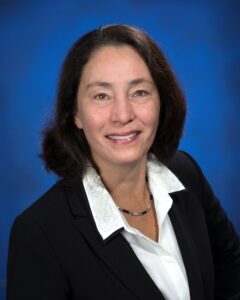
Michiko Minty is head of the Accelerator Operations and Research Division in BNL’s Collider-Accelerator Department. After graduation, she held postdoc positions at the University of Michigan and SLAC, then joined SLAC as a staff physicist on the SLC. She also worked on the ATF at KEK and the SLAC B-Factory. At DESY, she led the DESY-II lepton and DESY-III proton synchrotrons and contributed to R&D at the TESLA Test Facility, the foundation for the European XFEL, as well as to the HERA electron–ion collider. She has twice been elected to the APS DPB chair line, serving as chair in 2019, and is a frequent USPAS lecturer, receiving the USPAS Teaching Award in 2023. Michiko’s career has centered on particle colliders—the SLC, PEP-II, HERA, and RHIC—as reflected in the textbook Measurement and Control of Charged Particle Beams, co-authored with Frank Zimmermann (CERN).
Alexander Molodozhentsev
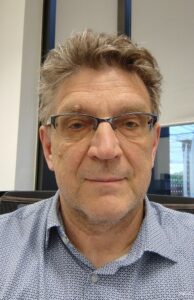
Dr. Alexander Molodozhentsev started his career in the Joint Institute for Nuclear Research (JINR, Dubna, Russia). He contributed to the development of the Tesla Test Facility (prototype of FLASH, DESY). After that, he led the design of a compact proton accelerator complex for hadron therapy as the project leader. In 2000, he was invited as the JSPS visiting researcher to commission the HITACHI medical accelerator complex at Tsukuba University Hospital (Proton Medical Research Centre, Japan). During the period 2001-2014, he worked as an Associate Professor at the High Energy Accelerator Research Organisation (KEK, Japan), leading as a JPARC-KEK team member the modelling of beam dynamics and design of the JPARC accelerator complex, as well as the commissioning of the JPARC Main Ring. During 2013, he was the CERN HiLumi LHC project associate, modelling the beam dynamics for the LHC injector chain. Since 2015, he has been working at ELI Beamlines (ELI ERIC), leading the Laser-Plasma-Accelerator-based FEL project and coordinating the EuPRAXIA ESFRI Project at ELI ERIC.
Elaf Musa

Elaf Musa is a postdoctoral researcher at DESY (Hamburg, Germany), working in the beam dynamics group on the PETRA IV fourth-generation light source upgrade project. She obtained her PhD in 2024 in accelerator physics from the University of Hamburg, focusing on optics measurements and correction techniques for future electron–positron circular colliders. Her work includes the development of software tools for optics correction and accelerator commissioning.
Nicole Neveu
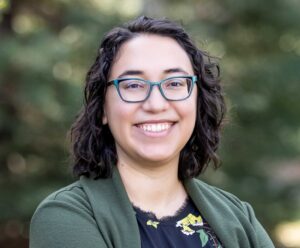
Dr. Nicole Neveu is a staff scientist at SLAC National Accelerator Laboratory. She received her PhD in Physics at the Illinois Institute of Technology in 2018 while working with the Argonne Wakefield Accelerator Facility at Argonne National Laboratory. As a research associate at SLAC, her research focused on electron beam dynamics simulation, optimization, and experimental measurements at LCLS/LCLS-II. She also supported LCLS-II commissioning, and continues to do research related to beam dynamics and operation of LCLS-II (now LCLS-SC) as a member of the Superconducting Radio Frequency (SRF) department.
Laurent Nadolski

Dr. Laurent S. Nadolski is the coordinator of the accelerator construction program for the SOLEIL II upgrade project and leader of the accelerator physics group at Synchrotron SOLEIL in France. He earned his Ph.D. in accelerator physics from Orsay University in 2001, specializing in frequency map analysis for beam dynamics under the supervision of Jacques Laskar (Paris Observatory/IMCCE) and A. Mosnier (CEA). Dr. Nadolski also holds an engineering degree from Télécom Physique Strasbourg and a Master of Science in nuclear physics. Dr. Nadolski began his career as a postdoctoral fellow at the Advanced Light Source (LBNL, USA) and joined SOLEIL in 2002. He played a pivotal role in commissioning and operating the SOLEIL storage ring and contributed to several international commissioning efforts, including SPEAR3, the Pohang Light Source, and ALS. Dr. Nadolski’s current research focuses on nonlinear beam dynamics, robust lattice studies for SOLEIL II, control systems, fast acquisition beam-based measurements, and transparent injection schemes using multipole kickers. Dr. Nadolski is also actively involved in integrating artificial intelligence and machine learning for accelerator simulation and operation. He is the former president of the French Physical Society’s Accelerator Division and serves on machine advisory committees for several accelerator facilities. In 2007, he received the Jean-Louis Laclare Prize.
Ysabella Kassandra Ong
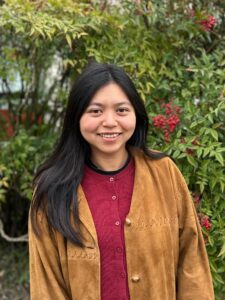
Ysabella Kassandra Ong is a PhD student in accelerator physics at Sapienza Università di Roma and a researcher at INFN Laboratori Nazionali di Legnaro, working on AI-driven optimization of light and heavy ion linacs. She obtained her Master’s degree in Nuclear Physics, focusing on beam transfer line design for BNCT applications. Her work focuses on beam dynamics and machine learning applications for accelerator optimization.
Masashi Otani
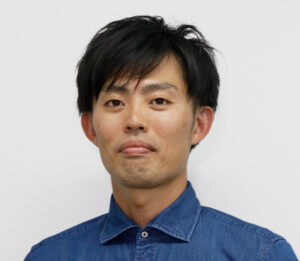
Masashi Otani is an Associate Professor at the High Energy Accelerator Research Organization (KEK) in Japan. He received his Ph.D. in Physics from Kyoto University, where he worked on the long-baseline neutrino experiment T2K. He then gained further experience in underground neutrino experiments at the Research Center for Neutrino Science, Tohoku University. Since 2013, he has been conducting research at KEK on muon acceleration and its applications, and since 2017 he has also been involved in studies using the high-intensity proton accelerator complex at J-PARC. He currently leads the development of the world’s first muon linear accelerator for the J-PARC Muon g-2/EDM experiment.
Chong Shik Park
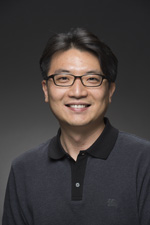
Dr. Chong Shik Park is an accelerator physicist with a Ph.D. and M.S. in accelerator physics from Indiana University Bloomington and a B.S. in physics from Korea University. Before joining Korea University, he worked at Fermilab, where he contributed to the Synergia simulation package and beam dynamics studies for the Mu2e experiment. His research spans accelerator design, beam dynamics, computational modeling, and scientific code development, with longstanding interest in space-charge effects and their impact on beam transport and accelerator performance. His current work focuses on beam dynamics studies in electron linacs and storage rings, as well as machine learning applications in heavy-ion linacs, including surrogate modeling, reinforcement learning-based orbit correction, and AI-assisted beam tuning and diagnostics.
Chad Pennington
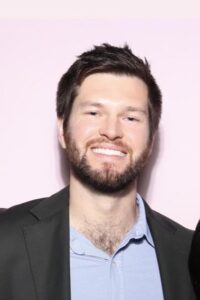
Chad Pennington is a Postdoctoral Scholar at the University of California, Los Angeles, where he develops high-brightness electron sources and advanced RF photoinjector systems for ultrafast electron diffraction and compact X-ray generation. He received his Ph.D. in Accelerator Physics from Cornell University in 2024. His doctoral work focused on the growth and characterization of advanced photocathodes for high-gradient accelerators, integrating materials science and beam physics to enhance electron beam brightness. At UCLA, Dr. Pennington leads the design, simulation, and commissioning of advanced electron beamlines, including a DC photogun system for tunable parametric X-ray generation. He co-led the first demonstration of photoelectron beam production from a cryogenic normal-conducting RF photogun and leads efforts to test advanced photocathodes in a cryogenic C-band RF gun.
Alex Picksley
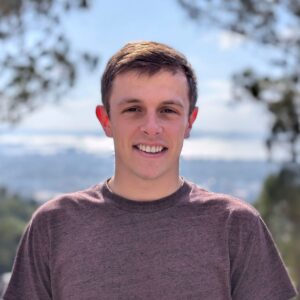
Alex Picksley is a Research Scientist at the BELLA Center, at Lawrence Berkeley National Lab in California. He joined as a Postdoctoral Researcher in 2021, and focuses his research on the development of high-energy, high-quality laser plasma acceleration of electrons. He completed his PhD thesis on plasma channels for laser-plasma accelerators at the University of Oxford in 2021, for which he was awarded the UK’s Institute of Physics Culham Thesis Prize. In 2025, he was awarded the Simon van der Meer Early Career Award in Novel Accelerators which recognizes outstanding early career contributions in novel accelerator techniques.
Zheng Qi
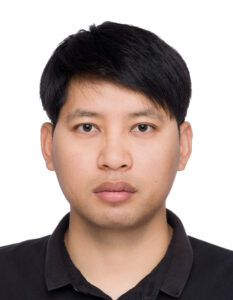
Dr. Zheng Qi is a researcher at the Shanghai Advanced Research Institute, Chinese Academy of Sciences. He has contributed to the construction, commissioning, and operation of all three major FEL user facilities in China, and is currently responsible for the FEL setup and delivery system to the users of the Shanghai Soft X-ray Free-Electron Laser Facility (SXFEL). His research focuses on fully coherent XFEL physics and ultrafast mode-locking techniques. His work includes contributions to coherent soft X-ray attosecond waveform synthesis, tunable high-power X-ray frequency combs, and the first experimental demonstration of directly amplified echo-enabled harmonic generation (DEHG) FELs.
Patrick Rauer
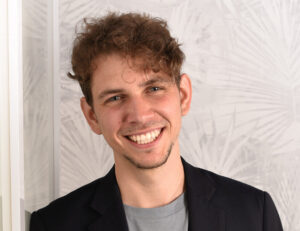
Patrick Rauer received his PhD in Physics from the University of Hamburg for his dissertation on a cavity-based X-ray free-electron laser (CBXFEL) demonstrator. He began his career as a research associate at the University of Hamburg, working on the LoKoFEL(longitudinal coherence in FELs) project, before joining the European XFEL to focus on simulations for the CBXFEL demonstrator. In 2021, Dr. Rauer moved to DESY as a postdoctoral researcher, where he co-led the CBXFEL demonstrator project that achieved the world’s first lasing from a CBXFEL. Since May 2025, he has been a tenure-track scientist at DESY, where he leads the efforts for cavity-based X-ray FELs at the European XFEL.
Elisabeth Renner
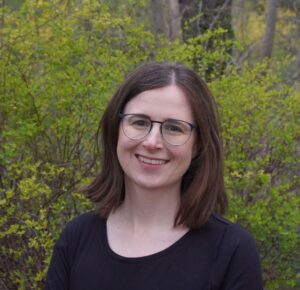
Elisabeth Renner is a postdoctoral researcher and lecturer at TU Wien, where she leads the Accelerator Physics research team. She entered the field in 2017 as a student at CERN, working on beam transfer systems for FCC-hh. In 2022, she received her PhD for research conducted at CERN on beam dynamics and automation for the PS Booster charge-exchange injection system. Her current work focuses on advanced beam delivery methods for ion beam therapy. As part of this research, she is the principal investigator of a joint project with MedAustron on the delivery and application of mixed helium and carbon ion beams for online ion beam treatment monitoring.
Kiersten Ruisard
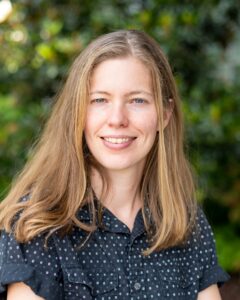
Kiersten Ruisard received her PhD in Physics in 2018 from the University of Maryland in College Park. She is currently a staff scientist at Oak Ridge National Laboratory, where she is a member of the accelerator physics group at the Spallation Neutron Source. She is also the vice-chair for the APS Division of Physics of Beams.
Stéphane Sanfilippo
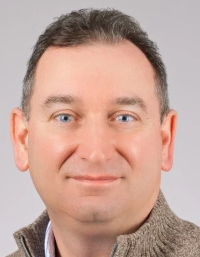
Dr. Stéphane Sanfilippo holds a Ph.D. in Physics from the University of Grenoble in 1997, where he specialized in high-temperature superconductivity. He began his career at CERN, contributing during 10 years to the magnetic testing, and performance qualification at cryogenic temperatures of the Large Hadron Collider superconducting magnets, focusing on data analysis, field quality, and performance assessment. Since 2008, Dr. Sanfilippo is Head of the Magnet Section at the Paul Scherrer Institute (PSI), Switzerland, leading the development of resistive, permanent, and superconducting magnets for major facilities such as the Swiss Light Source upgrade (SLS 2.0), Swiss Free Electron Laser (SwissFEL), and the beam lines of the Isotope and Muon Production using Advanced Cyclotron and Target technologies project (IMPACT). His expertise covers superconductivity, accelerator magnet technologies, magnetic measurements, and the design of precision measurement systems. He is a member of international committees on superconducting magnet design and magnetic measurements.
Janet Schmidt
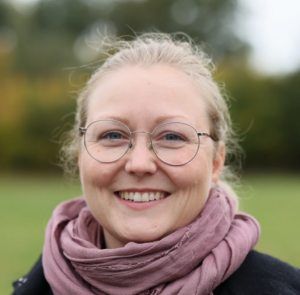
Dr. Janet S. Schmidt is Head of the Site Management Department and Project Manager for Machine Installation at Facility for Antiproton and Ion Research (FAIR), where she leads the installation of accelerator systems and its supply infrastructure. She previously served as technical work package leader for the FAIR SIS100 acceleration and bunch compression RF systems and worked at the European Spallation Source (ESS) as inKind and machine section coordinator for the NC linac. Earlier, she was a Fellow at CERN for beam transfer physics, contributing to the plasma wakefield experiment AWAKE. She holds a PhD in physics from Goethe University Frankfurt and specializes in accelerator physics and large-scale project management.
Ulrich Schramm
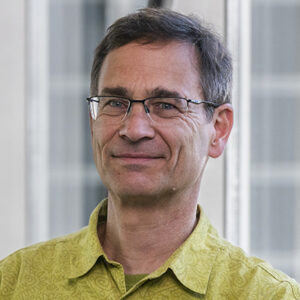
Prof. Ulrich Schramm’s research focuses on the manipulation and control of particle beams with laser light, starting in the early 1990s with laser cooling of stored ion beams in Heidelberg and Munich. With the advent of CPA TW lasers his interest shifted to the new field of laser plasma accelerators. Since 2011 he is director of the Institute of Radiation Physics at HZDR Dresden, operating the center for high power radiation sources which includes two Petawatt laser systems. With the Dresden team he performed benchmarking experiments towards application readiness of plasma accelerators, comprising the dose-controlled proton irradiation of tumors, the efficient generation of proton energies beyond 100 MeV in near critical density targets, and the demonstration of seeded FEL gain with laser wakefield accelerated electrons bunches. In 2024 this work was awarded with the first ICUIL Yoshiaki Kato prize.
Mike Seidel
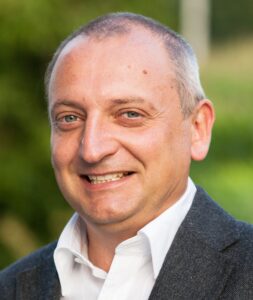
Mike Seidel is specialised in particle accelerators and received his PhD 1995 from the University of Hamburg. As a postdoctoral researcher he joined the Stanford Linear Accelerator Center, and worked subsequently at DESY/Hamburg, focusing on the particle physics collider HERA. In 2006 he moved to the Paul Scherrer Institute (PSI), where he was in charge of the High Intensity Proton Accelerator (HIPA) and the PROSCAN proton therapy facility. In 2020 he became the division head for Large Research Facilities at PSI, he joined the PSI board of directors and was appointed a full professor at the École Polytechnique Fédérale de Lausanne (EPFL), where he leads the Particle Accelerator Physics Laboratory (LPAP). Mike Seidel’s research includes studies for future particle colliders and on energy efficiency of particle accelerators. He has been a member and chair of the CERN Machine Advisory Committee (CMAC) 2016-24. The Large Laboratory Directors Group (LDG) is chaired by him since 2025, with the European Accelerator R&D Road Map activities being overseen.
Vincent Sigalo
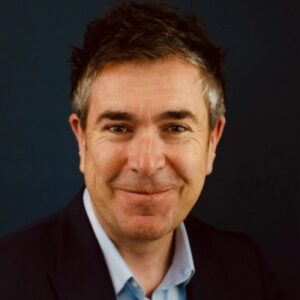
Over 20 years of experience in industrial environments and technical procurement for large-scale scientific projects. He plays a central role in the industrialization, procurement strategy and manufacturing coordination of complex systems for particle accelerators including superconducting and pulsed magnets as well as beamline equipment. Recognized for delivering pragmatic and effective solutions to complex industrial and supply chain challenges in highly constrained environments. At Sigmaphi he has contributed to major international programs in collaboration with leading research institutes such as CERN, Jefferson Lab, FAIR (GSI) and Commonwealth Fusion Systems, supporting the transition from prototype development to series production. His project experience includes the HESR injection kicker system for FAIR, superconducting magnet developments for Jefferson Lab (SHMS dipole and quadrupoles), and innovative collaring concepts for superconducting quadrupoles within the HL-LHC framework. Through these contributions, he has supported the successful delivery of high-complexity systems meeting demanding performance, reliability and schedule requirements.
Yoshihiro Shobuda
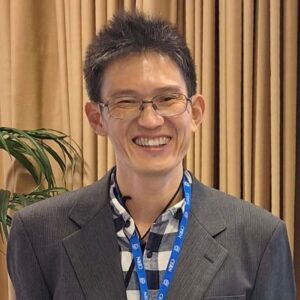
Dr. Yoshihiro Shobuda received his Ph.D. from Tohoku University in 1999 and became a Center of Excellence Researcher at Hiroshima University, where he studied radiative laser cooling in an electron storage ring. From 2000 to 2003, he served as a Postdoctoral Fellow at KEK, conducting theoretical studies on hadron-beam crystallization, tune shifts of relativistic beams arising from resistive chambers with asymmetric cross-sections, and beam dynamics in the Energy Recovery Linac. In 2003, he joined the J-PARC project at the Japan Atomic Energy Agency and was promoted to Senior Researcher in 2017. He is currently a member of the Beam Commissioning Group for the 3 GeV Rapid Cycling Synchrotron at J-PARC, responsible for achieving high-intensity proton beams through the study of beam impedance and the suppression of beam instabilities. Since 2018, he has served as a member of the ICFA Beam Dynamics Panel.
Haik Simon
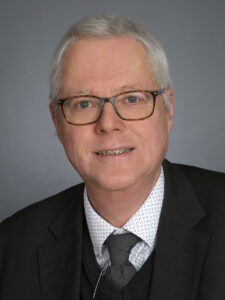
Haik Simon holds since 1998 a PHD in nuclear physics with exotic nuclei from the Darmstadt University of Technology. He spent some time at the ISOLDE facility at CERN in Geneva where he also got involved in setting up the REX-ISOLDE facility. He also worked as PI on designing an electron ion scattering facility for the storage ring at the FAIR facility in Darmstadt, Germany . Since 2011 he’s Deputy Department Head of the Research Division Nuclear Reactions at GSI Darmstadt and deeply involved in physics around the R³B reaction setup GSI on its transition to FAIR. Since 2012 he worked in different positions on the design, production and installation of a new generation In-flight separator, named Super-FRS, which makes best use of superconducting magnet technology in order to produce secondary beams at relativistic velocities for a wide range of applications. Since 2016 he’s heading the Super-FRS Sub-Project division.
Giulio Stancari
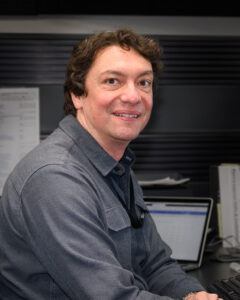
Giulio Stancari is a senior scientist in the Accelerator Research Division at Fermilab, a member of the Consortium for Advanced Science and Engineering (CASE) at the University of Chicago, and a visiting scientist at CERN. He received his PhD in experimental particle physics from the University of Ferrara in Italy in 1999. He has also held positions at INFN, Idaho State University and Jefferson Lab. His past research includes hadron form factors, charmonium spectroscopy and atomic parity violation. His interests in experimental beam physics include the interaction of magnetically confined electron beams (electron lenses) with high-energy hadrons, halo dynamics and diffusion, nonlinear integrable lattices, optical stochastic cooling, the dynamics of single electrons in storage rings, space-charge dynamics, and the applications of classical and quantum optics to beam diagnostics. He serves as chair of the Scientific Committee for the IOTA/FAST facility at Fermilab. Dr. Stancari is also involved in various physics community service initiatives and teaching projects. In his free time, Giulio enjoys playing music, running and photography.
Steinar Stapnes
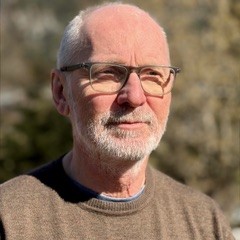
Steinar Stapnes holds a PhD in experimental particle physics and has been Professor at the University of Oslo since 1994. He worked in the UA2 and DELPHI experiments and LHC detector R&D projects before joining ATLAS, where he served as Norwegian Project Leader and later Inner Detector Project Leader and Deputy Spokesperson. He has held several international roles, including in IUPAP, EPS, ECFA, and as Scientific Secretary of the European Sessions of the CERN Council (2008–2011). In the period 2011-25 he served as Linear Collider Study Leader at CERN, covering CLIC and ILC collider studies. He represents Europe in the ICFA ILC International Development Team and coordinates the European activities in the ILC Technology Network. He chairs the International Muon Collider Steering Group and serves on international advisory bodies for the CEPC project and at DESY. He has initiated and contributed to major European Commission R&D projects within accelerator R&D, supervised around 30 master and PhD students, and co-authored more than 1100 publications.
Guido Sterbini
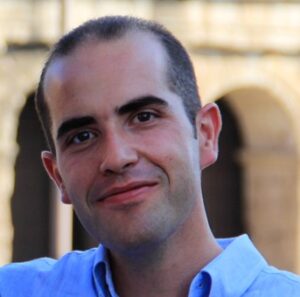
Dr. Guido Sterbini received his degree in engineering, with a specialization in applied electromagnetism for particle accelerators, from the Università di Roma “La Sapienza” in 2006. He earned his Ph.D. in Applied Physics from the École Polytechnique Fédérale de Lausanne in 2010, focusing on beam–beam effects for the HL-LHC. He subsequently held a postdoctoral position at CERN, where he contributed to studies of the CLIC decelerator. Since 2012, he has been a staff member at CERN, with research interests in nonlinear dynamics and beam–beam effects in the LHC and its upgrade, the HL-LHC.
Igor Syratchev
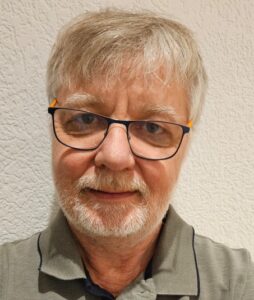
Igor Syratchev graduated from Novosibirsk Electrotechnical Institute in 1986. From 1986 to 1998 he was working in BINP, Protvino for linear colliders projects VLEPP and JLC/NLC. In 1994 he received European Accelerator prize for his work in demonstrating efficient RF pulse compression. Igor got his PhD in accelerator physics at BINP in 1997. In 1998 he joined the CLIC study at CERN. He developed, built and successfully tested RF power extraction and transfer structures (PETS) – one of the important components of the CLIC two-beam accelerator. Igor areas of expertise are RF systems and RF power sources for accelerators. Currently Igor oversees CERN’s High Efficiency RF power sources projects for various large-scale accelerator (CLIC, FCC, ILC and MuC).
Jingyu Tang
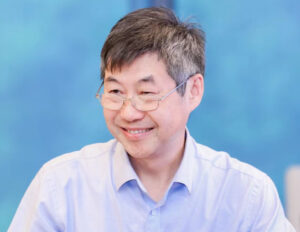
Professor at University of Science and Technology of China (USTC) since 2022, he graduated from USTC with Bachelor in 1984, and from Institute of Modern Physics (IMP, CAS) with PhD in 1990. From 1993 to 2004, he worked at IMP, and from 2004 to 2022 at Institute of High Energy Physics (IHEP, CAS). He has also about eight-year experience in several European laboratories such as GANIL (Caen, France), CAL-MEDICYC (Nice, France) and FZJ (Juelich, Germany). His main interests are accelerator physics and technology, and particle beam applications. He played key roles in facilities and projects including Heavy-Ion Research Facility at Lanzhou, China Spallation Neutron Source (CSNS), China Accelerator-Driven System and Super Proton-Proton Collider (second phase of CEPC-SPPC). He initiated and promoted the projects like the Back-n white neutron source and the EMuS muon source at CSNS. Currently he is one of the leading persons in the Super Tau-Charm Facility (STCF, an electron-positron collider under R&D) project.
Mark Thomson
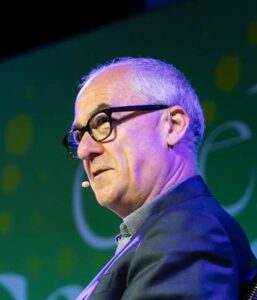
Since January 2026, Mark Thomson has been the Director-General of CERN. Previously, from 2018-2025 he was the Executive Chair of the UK Science and Technology Facilities Council (STFC), responsible for UK funding of particle physics, astrophysics and nuclear physics, as well as operating world-leading research infrastructure at Rutherford Appleton and Daresbury Laboratories. Prior to this, his research career spanned, electroweak physics at CERN’s Large Electron Positron Collider, neutrino physics at Fermilab in the US, and the development of Particle Flow Calorimetry both for future colliders and Liquid Argon TPC neutrino detectors. Most recently, 2015-2018, he was co-spokesperson of the Deep Underground Neutrino Experiment (DUNE). In 2013 he published “Modern Particle Physics” a textbook aimed at final-year undergraduate students and first-year graduate students, which has been widely adopted across the globe.
Laura Torino
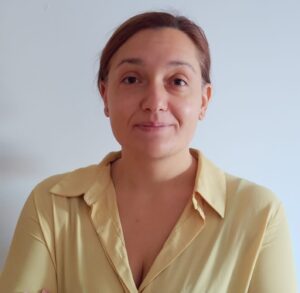
Dr. Laura Torino carried out her initial studies in particle physics at the University of Pisa. Her subsequent Ph.D. research at ALBA focused on longitudinal and transverse electron beam characterization using synchrotron radiation within the oPAC framework. Following her doctorate, she joined ESRF where she contributed to the development of the new beam loss monitor system and actively participated in the commissioning of the new EBS machine. Currently working at ALBA, she is responsible for the Beam Position Monitors and feedback systems, and is leading the development of the BPM system for the new ALBA II machine. Additionally, she collaborates on a new transverse profile monitor technique based on Non-Redundant Aperture interferometry, a method suitable for particle accelerators and also employed to analyze data from the James Webb Space Telescope.
Matthieu Valleau
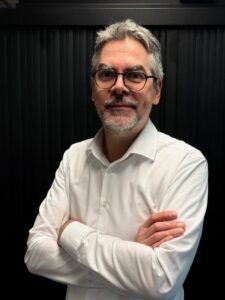
Mathieu VALLEAU is a Research Engineer in the Insertion Devices Group at SOLEIL in France, where he has been working since 2006. He graduated from the University of Paris-Saclay, with a degree in Nanosciences and Micro-Systems. In 2023, he awarded the Jean-Louis Laclare accessit by the French Physical Society, Accelerator Division. He has been involved in the construction of various types of Insertion Devices at SOLEIL, such as APPLE II undulators, in-vacuums ones and has been actively working on cryogenic devices since 2012. He developed the magnetic measurements benches that are embedded in vacuum chambers for both room and cryogenic temperature measurements. He also worked intensively on optimizing the radiation performances of Insertion Devices at SOLEIL using photon diagnostics. He led a LEAPS Innov project aimed at developing a prototype of short period Cryogenic Permanent Magnet Undulator.
Mayu Wada
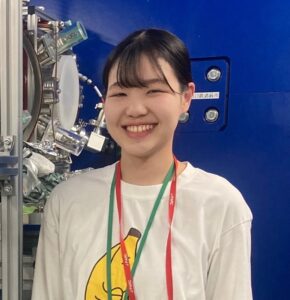
Mayu Wada is a PhD student in physics at the University of Tokyo, specializing in muon acceleration at the Japan Proton Accelerator Research Complex (J-PARC). During her master’s studies, she led the design and construction of a low-energy muon diagnostic system and served as the run coordinator, overseeing the experiment from planning to execution. We successfully established a measurement system for low-energy muons, a critical step toward realizing muon acceleration. She is currently advancing efforts toward achieving muon acceleration up to 0.34 MeV, focusing on beam diagnostics and accelerator tuning.
Carsten P Welsch
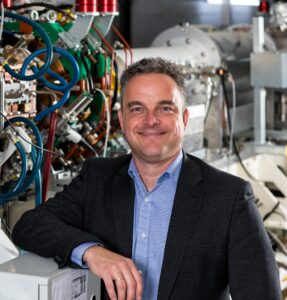
Carsten P. Welsch is a Distinguished Professor of Physics and Head of Accelerator Science at the University of Liverpool, based at the Cockcroft Institute. He has been carrying out cutting-edge research into beam diagnostics, data-driven optimisation, and accelerator applications for more than two decades. He leads major initiatives in data-intensive science as Director of the LIV.DAT and LIV.INNO Centres for Doctoral Training, developing innovative approaches that combine advanced modelling, modern instrumentation, and data-driven methods for accelerator optimization. He has extensive experience in coordinating international research programs and has led numerous large-scale European collaborations in accelerator, antimatter, plasma, and medical research.
Jorg Wenninger
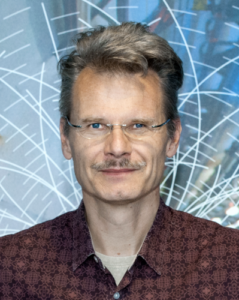
As a long time member of the CERN beam operation group, Jorg Wenninger has worked on operation, automation and performance optimization of the large CERN synchrotrons SPS, LEP and LHC. He has been deeply involved in LHC operations throughout all 16 operation years, a period over which the LHC evolved from first low luminosity runs to a machine that exceeded its peak design performance by more than a factor two. He is also one of the main designers of the LHC machine protection system which enabled safe operation up to stored energies close to 500 MJ.
Yi Wu
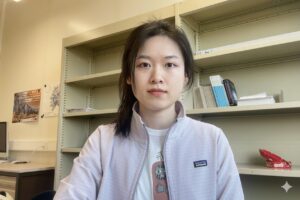
Yi Wu is currently a PhD student at École Polytechnique Fédérale de Lausanne (EPFL), where she works on spin polarization simulations for the FCC-ee. Her research contributes to high-precision energy calibration as part of the FCC-ee Energy Calibration, Polarization and Monochromatization (EPOL) working group.
Jiancheng Yang
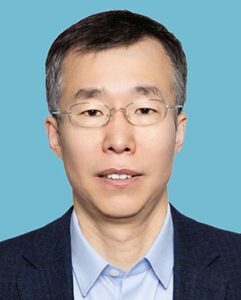
Jiancheng Yang is Deputy Director of the Institute of Modern Physics, Chinese Academy of Sciences, with long-term research focus on beam dynamics of high-intensity ion accelerators. He served as Chief Engineer for the design and construction of the High Intensity heavy-ion Accelerator Facility (HIAF). He successfully developed China’s first Heavy Ion Medical Machine (HIMM) and ion accelerators for the Space Environment Simulation Research Infrastructure.
Renjun Yang
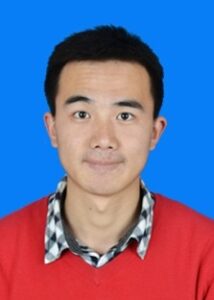
Renjun Yang received his PhD degree on accelerator physics from Universite Paris-Saclay in 2018. Then, he joined CERN and KEK working on the nanobeam focusing experiments and the commissioning of the SuperKEKB collider. In 2022, Renjun joined IHEP and switched to beam instrument for the China Spallation Neutron Source, where he is now the accelerator beam-instrumentation group leader.
Kenji Yasutome
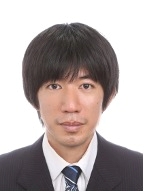
Kenji Yasutome received his Ph.D. in science from the Graduate School of Science at Kyoto University in Japan in 2023. During his doctoral studies, he was a member of the T2K Experiment, where he conducted measurements of neutrino interaction cross sections and performed analyses of neutrino oscillations based on these measurements. His research focused on investigating CP symmetry violation in the lepton sector. In the same year, he joined the RIKEN SPring-8 Center as a research scientist. His current work is centered on accelerator and XFEL science at the SACLA XFEL facility. His research includes the development of high-power RF systems based on X-band accelerating structures, phase space reconstruction of electron beams using deflecting cavities combined with machine learning techniques, and accelerator studies aimed at generating ultrashort XFEL pulses.
Annabella Zamora
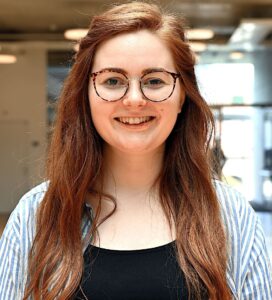
Annabella Zamora is a PhD candidate at the University of Lausanne (UNIL) and a teaching assistant at the École Polytechnique Fédérale de Lausanne (EPFL). She has a background in computer science and sociology and specialises in science and technology studies (STS). Her research examines how particle accelerators shape scientific practices, collaborations, and knowledge production, with a particular focus on infrastructures, international scientific communities, and the relationships between science and society. Much of her ethnographic fieldwork took place at CERN.
Pei Zhang
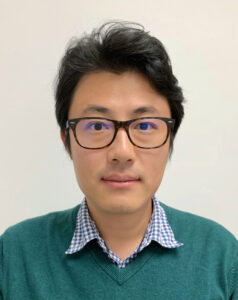
Dr. Pei Zhang is a Research Scientist at the Institute of High Energy Physics (IHEP), Chinese Academy of Sciences, in Beijing, where he specializes in radio-frequency systems for particle accelerators. He received his PhD from the University of Manchester (UK) in 2013 and conducted research at DESY and CERN, focusing on superconducting RF technology. In 2016, he joined IHEP and has since been leading the RF work package for the High Energy Photon Source (HEPS)—the first high-energy synchrotron light source in China. His recent work includes the development and high-current beam operation of 166.6 MHz beta=1 superconducting RF cavities.